
What Is Merchandise? A Complete Guide for Australian Businesses and Schools
Discover what merchandise means, how branded products work, and how Australian businesses and schools can use them effectively.

Written by
Grant Ellison
Corporate Gifts
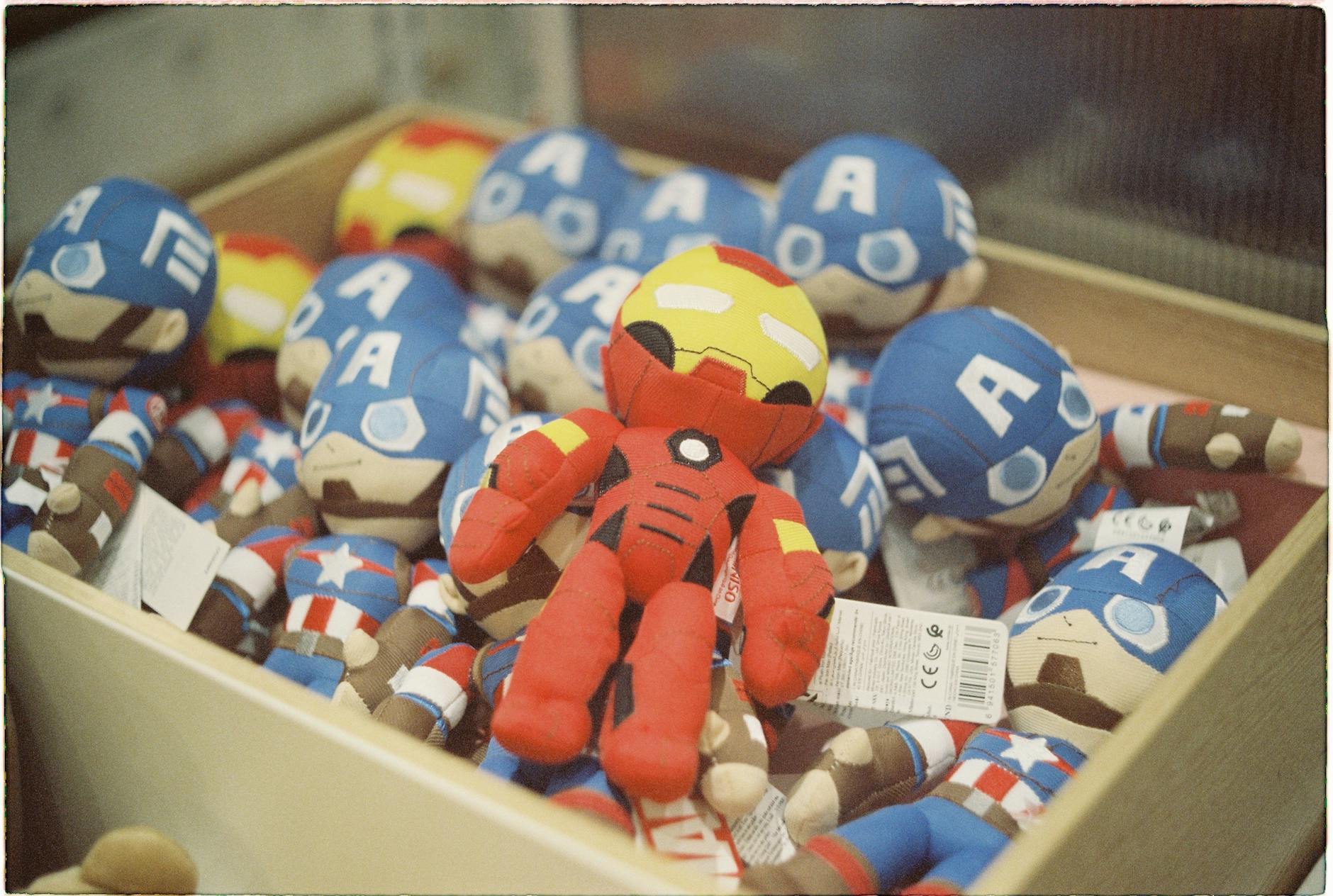
Merchandise is one of those words that gets thrown around constantly in business conversations, school fundraisers, and event planning meetings — yet surprisingly few people stop to ask what it actually means, or more importantly, how to use it strategically. Whether you’re a marketing manager in Sydney trying to stretch your promotional budget, a school coordinator in Adelaide planning a sports carnival, or a small business owner in Brisbane looking to build brand recognition, understanding what merchandise is and how it works can genuinely transform the way you connect with your audience. This guide breaks it all down: from the basics of the definition through to practical advice on choosing, ordering, and maximising branded merchandise for your organisation.
What Is Merchandise, Really?
At its most fundamental level, merchandise simply refers to goods or products that are bought and sold. In a retail context, merchandise means the stock on your shelves. But in the world of branding and promotions — which is what we’re focused on here — merchandise takes on a more specific meaning.
In the promotional and corporate gifting space, merchandise refers to branded physical products that carry a logo, message, slogan, or identity. These items are typically produced or purchased with the intent to distribute, gift, or sell as a way of reinforcing a brand, creating loyalty, or generating awareness. You might also hear them called promotional products, branded merchandise, corporate gifts, or custom merch — and while there are subtle differences between each of these terms, they all fall under the broad umbrella of merchandise.
The key distinction worth understanding is purpose. Retail merchandise is designed to be sold at a profit. Promotional merchandise is primarily designed to communicate. It’s a physical extension of your brand, a tangible reminder that your organisation exists and has something to offer.
For a deeper dive into the world of custom-branded products and how they tie into a broader strategy, our guide to custom merch is a great starting point.
The Different Types of Merchandise Available
One of the most exciting aspects of the branded merchandise world is sheer variety. There is genuinely something for every budget, audience, and occasion. Here’s a breakdown of the most common categories:
Apparel and Wearables
Custom clothing is one of the most popular categories in promotional merchandise. T-shirts, polo shirts, hoodies, caps, and hi-vis workwear all make excellent branded items because they transform the wearer into a walking advertisement.
For trade businesses, personalised work clothing is an excellent investment that serves double duty — it keeps your team looking professional while building brand recognition on-site and out in the community. Schools often use custom apparel for sports days, camps, and fundraising, while corporates love branded polo shirts for trade shows and staff uniforms.
If you’re interested in vibrant, all-over print options, sublimation polo shirts offer an impressive full-colour finish that standard screen printing simply can’t replicate. They’re particularly popular with sports clubs and organisations that want a bold, premium look.
For organisations watching their budget but still wanting quality branded clothing, it’s well worth exploring affordable branded clothing options to understand where you can save without sacrificing quality.
Drinkware
Branded drinkware is consistently one of the highest-performing categories in promotional merchandise. The logic is simple: people use cups, mugs, and bottles every single day. A product that earns daily use means daily brand exposure — and that adds up.
Promotional water bottles are particularly effective for health-conscious audiences, corporate wellness initiatives, and outdoor events. They’re also increasingly available in eco-friendly materials like stainless steel and recycled plastics, making them a smart choice for sustainability-focused organisations.
Personalised coffee mugs have long been a staple of corporate gifting. Whether you’re welcoming a new client, rewarding a team member, or preparing for a conference, a quality mug with a well-executed logo is a gift that genuinely gets used. For premium options, custom coffee mugs can be produced in a range of styles including ceramic, enamel, and double-walled stainless steel — each lending a different feel to your brand message.
Workwear and Safety Gear
For trades, construction, logistics, and industrial businesses, branded workwear plays an essential role in both safety compliance and brand identity. Hi-vis vests, safety shirts, and hard hats are all examples of merchandise that serves a functional safety purpose while also carrying your brand.
If you’re in the market for durable, high-quality branded workwear, JB Workwear products are widely regarded as one of the most reliable ranges available in Australia — built for real working conditions while still presenting a professional image.
Tech Accessories
USB drives, power banks, wireless chargers, and phone accessories are always popular at corporate events and trade shows. Tech merchandise has strong perceived value, which makes it a smart choice when you want recipients to feel genuinely appreciated.
Stationery and Office Products
Branded pens, notebooks, lanyards, and desk accessories remain reliable staples of the promotional merchandise world. They’re cost-effective, have low minimum order quantities (MOQs), and work across virtually every industry and audience.
Signage and Displays
Merchandise isn’t just wearable or holdable — it can also include branded signage, pull-up banners, and digital display signage that reinforces your brand at events, retail settings, and in-office environments.
Why Merchandise Matters for Your Organisation
Understanding what merchandise is only gets you so far. The more important question is: why should your organisation invest in it?
It Builds Tangible Brand Presence
Unlike a social media post or an email newsletter, a physical product puts your brand into someone’s hands. It occupies space in their home, office, or bag. This tangibility creates a different kind of brand impression — one that’s harder to ignore and longer lasting. If you want to understand the broader strategy, our guide to increasing brand awareness covers how merchandise fits into the bigger picture.
It Creates Genuine Loyalty
Think about how you feel when a brand or organisation gives you something genuinely useful. A quality tote bag, a great-looking water bottle, or a well-made hoodie all carry positive associations that get transferred to the brand that gave them to you. This is the psychology of reciprocity — and merchandise leverages it powerfully.
It’s Versatile Across Sectors
Merchandise works for almost every type of organisation. A Melbourne law firm sourcing premium corporate gifts for key clients, a Gold Coast primary school ordering t-shirts for their annual athletics carnival, a Darwin not-for-profit distributing branded tote bags at a community event, a Canberra government department equipping staff with branded notebooks for an all-staff conference — the application is almost limitless. For inspiration tailored to the corporate gifting context, business gift ideas for Christmas is worth exploring for seasonal campaigns.
Practical Tips for Ordering Merchandise in Australia
If you’re new to ordering branded merchandise, there are a few key considerations to keep in mind before you commit.
Minimum Order Quantities
Most promotional product suppliers work with MOQs — minimum order quantities. These can range from as low as 12 units for some items up to 250 or more for others. Higher volume typically means a lower per-unit cost, so it’s worth understanding your numbers before you start. If you’re running a promotion with gear and promotional products, knowing your MOQ upfront helps avoid budget surprises.
Decoration Methods Matter
How your logo is applied to a product affects both cost and quality. Embroidery is ideal for apparel and gives a premium, textured finish. Screen printing is cost-effective for larger runs on flat surfaces. Laser engraving creates elegant, permanent marks on metal and timber. Sublimation allows for vivid, full-coverage designs. Pad printing is standard for small items like pens. Understanding which method suits your product and brand style is essential to getting a result you’ll be proud of.
Lead Times and Turnaround
Most promotional products require production time. A standard order might take 10–15 business days once artwork is approved. Rush orders are sometimes available but often come at a premium. If you’re ordering for an event, conference, or seasonal campaign, always build in buffer time — particularly if you’re in a regional area or ordering during peak periods like Christmas or end-of-financial year.
Artwork Requirements
Your logo needs to be supplied in a vector format (typically .AI or .EPS files) for most decoration methods. If you only have a .JPG or .PNG, speak to your supplier early — many can assist with artwork preparation, though there may be a setup fee involved.
What Makes Merchandise Effective?
Not all merchandise is created equal. The difference between a branded item that gets used for years and one that ends up in the bin often comes down to a few simple factors:
- Relevance: Does this product make sense for your audience? A branded keep cup works brilliantly for a café or corporate office. A branded sunscreen might be perfect for a Queensland outdoor event but less relevant for a Hobart winter conference.
- Quality: Cheap, low-quality items can reflect poorly on your brand. It’s better to order fewer, higher-quality items than to flood the market with products that fall apart quickly.
- Utility: The most effective merchandise is used regularly. Products with practical everyday use — drinkware, bags, apparel — consistently outperform novelty items in terms of brand impressions delivered over time.
- Design: Even the best product is undermined by poor artwork execution. Invest in clean, well-sized, appropriately coloured logo placement for the best result.
Conclusion: Key Takeaways
Merchandise — whether you call it promotional products, branded gear, or corporate gifts — is one of the most effective physical marketing tools available to Australian businesses, schools, and organisations. Understanding what it is and how to use it strategically puts you in a much stronger position to get genuine value from every dollar you spend.
Here are the key points to take away:
- Merchandise in the promotional context means branded physical products designed to communicate, build loyalty, and increase brand awareness — not just goods sold for profit.
- The range of options is enormous, from custom apparel and drinkware through to tech accessories, stationery, workwear, and signage — there’s a product for every audience and budget.
- Effectiveness comes down to relevance, quality, utility, and design — prioritise these over volume every time.
- Practical ordering considerations — including MOQs, decoration methods, lead times, and artwork formats — should be understood before you commit to any order.
- Merchandise works across virtually every sector, from corporate businesses and schools to government, not-for-profits, and sporting organisations — making it one of the most universally applicable marketing investments available.
If you’re ready to explore what merchandise can do for your organisation, start by identifying your audience, setting a clear purpose for the product, and choosing items that your recipients will genuinely value and use.