
Personalized T-Shirts in Australia: The Complete Guide for Businesses and Schools
Everything Australian businesses and schools need to know about ordering personalized t-shirts — from decoration methods to budgeting and turnaround times.

Written by
Riley Monk
Custom Apparel
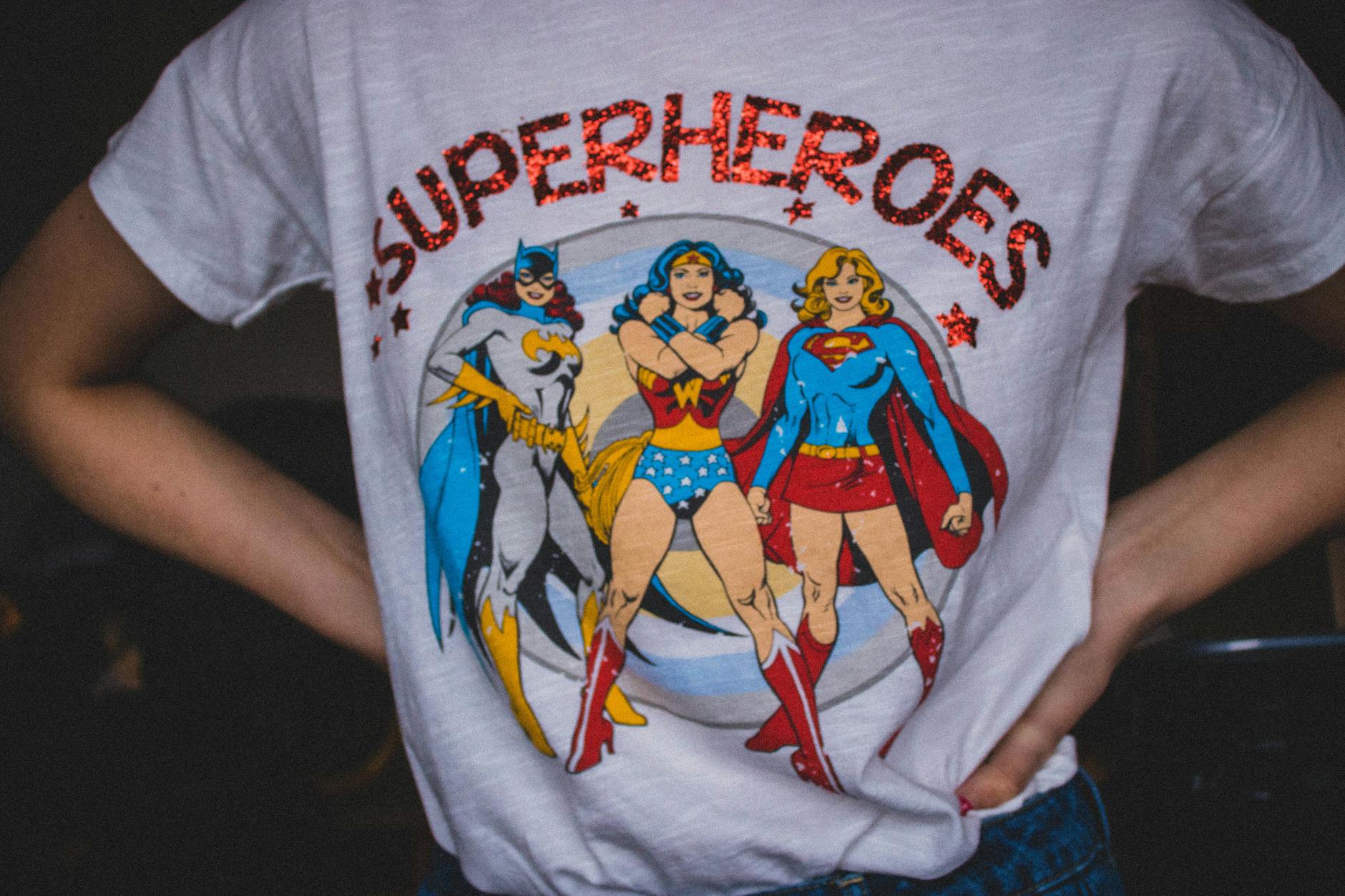
Whether you’re gearing up for a company fun run, outfitting staff for a trade show, or organising matching shirts for a school sports carnival, personalized t-shirts in Australia remain one of the most versatile, cost-effective promotional tools available. Few branded items carry the same reach — a quality custom tee gets worn again and again, turning every wearer into a walking billboard for your brand or organisation. But with so many decoration methods, fabric choices, supplier options, and pricing structures to navigate, the ordering process can feel overwhelming if you don’t know where to start. This guide breaks it all down so you can walk into your next custom t-shirt order with confidence.
Why Personalized T-Shirts Remain a Staple in Australian Promotional Merchandise
There’s a reason custom t-shirts have held their place at the top of the promotional products industry for decades. They’re universally wearable, relatively affordable at scale, and highly visible in everyday settings. Whether it’s a Sydney corporate team rocking matching polos at a client event, a Brisbane primary school handing out printed tees for sports day, or a Melbourne charity fundraiser distributing volunteer shirts, the humble custom tee delivers serious branding value at a fraction of the cost of most advertising channels.
In 2026, the market for personalized t-shirts in Australia continues to grow, driven by increased demand from small businesses, schools, sporting clubs, and not-for-profit organisations. Eco-conscious buyers are also pushing suppliers to expand sustainable fabric options, with organic cotton and recycled polyester blends becoming increasingly common. If you’ve been thinking about ordering custom tees for your team, event, or school, now is a great time to explore your options.
Who Orders Custom T-Shirts in Australia?
The audience for personalized t-shirts is genuinely broad. Here are some of the most common use cases across Australia:
- Corporate businesses – Staff uniforms, onboarding kits, team-building events, trade show merchandise
- Schools and universities – Sports carnivals, school camps, graduation celebrations, student clubs
- Sporting clubs – Training shirts, supporter merchandise, club championships
- Charities and not-for-profits – Awareness campaigns, fundraising events, volunteer identification
- Event organisers – Conferences, music festivals, community markets, fun runs
- Government departments – Community engagement programs, branded crew shirts for field staff
Understanding where you sit in this landscape helps determine the right product spec, decoration method, and budget approach for your order.
Choosing the Right Decoration Method for Your Personalized T-Shirts
This is where a lot of first-time buyers get caught out. Not every decoration method suits every design or fabric, and choosing the wrong one can leave you with a result that looks great on screen but disappointing in person.
Screen Printing
Screen printing is the most widely used method for personalized t-shirts in Australia, and for good reason. It produces vibrant, durable results and becomes extremely cost-effective at higher quantities — typically 50 units or more. Each colour in your design requires a separate screen, which means setup costs apply, but those costs spread across a larger run. If you’re ordering 100 shirts for a Perth company event or 200 for a Gold Coast fun run, screen printing almost always delivers the best value per unit.
Keep in mind that screen printing works best with solid colours and clean, bold artwork. Photographic images with gradients are trickier and often better suited to digital printing. Standard MOQs for screen printing can range from 25 to 50 units depending on the supplier, with setup fees typically ranging from $30 to $60 per colour, per screen.
Direct-to-Garment (DTG) Digital Printing
DTG printing is ideal for smaller runs or designs with high colour complexity, including full-colour photographs and detailed gradients. A Canberra startup producing limited-edition staff tees with a detailed illustrated logo, for example, might find DTG a better fit than screen printing.
The trade-off is cost at scale — DTG is generally more expensive per unit than screen printing once quantities climb above 50 or so. It also performs best on 100% cotton fabrics, so polyester or blended garments may not yield the same sharp result.
Heat Transfer and Sublimation
Heat transfer printing offers flexibility for shorter runs and allows for full-colour printing without the high setup costs of screen printing. Sublimation, on the other hand, is specifically suited to polyester fabrics and produces stunning, edge-to-edge colour that won’t crack or peel. For sportswear and performance tees, sublimation is often the decoration method of choice. You can read more about how this works in our guide to polo shirt sublimation printing.
Embroidery
While embroidery is more commonly associated with polos, caps, and jackets, it can absolutely be applied to thicker t-shirts — particularly for a premium, corporate-quality finish. It works best for logos without too much fine detail and adds a tactile, professional element that screen printing can’t replicate.
Key Considerations Before You Place Your Order
Minimum Order Quantities (MOQs)
Most Australian suppliers of personalized t-shirts will have a minimum order quantity. For screen printing, this is typically 25–50 units. DTG suppliers may accept orders as low as 1–5 units, making them a good option for samples or ultra-small runs. If you’re ordering for a small sporting club or a single team of eight players, be prepared to pay a higher per-unit rate or source a supplier that caters specifically to short-run custom apparel.
Artwork Requirements
Before you contact a supplier, make sure your artwork is in the right format. Vector files (AI, EPS, or SVG) are the gold standard for screen printing and embroidery. For DTG, high-resolution PNG files with a transparent background work well. If you only have a JPEG or a low-resolution image, expect your supplier to either charge a vectorisation fee or ask you to source better artwork.
Colour matching is another important consideration. If your brand colours need to match PMS (Pantone Matching System) standards, communicate this clearly upfront. Screen printing allows for accurate PMS colour matching, while DTG can be less predictable — especially for brand-critical colours.
Turnaround Times
Standard turnaround for personalized t-shirts in Australia is typically 10–15 business days from artwork approval. Rush orders — where available — can bring this down to 5–7 business days, often with an additional fee. If you’re ordering for a fixed-date event like a school sports carnival in Adelaide or a corporate conference in Melbourne, build in buffer time and aim to have artwork approved at least three weeks before you need the goods in hand. Express freight is available for interstate deliveries, but it’s always better not to need it.
Budgeting Your Custom T-Shirt Order
Pricing varies significantly depending on the t-shirt blank, decoration method, number of colours, and quantity ordered. As a rough guide for 2026:
- Basic screen-printed tee (1 colour, 50 units): $12–$18 per unit
- Mid-range DTG print (full colour, 25 units): $20–$30 per unit
- Sublimated performance tee (50 units): $18–$28 per unit
- Premium organic cotton tee (screen print, 100 units): $20–$35 per unit
These are indicative ranges and will vary by supplier. Bulk pricing tiers typically kick in at 50, 100, 250, and 500 units — so if you’re on the fence between 45 and 50, rounding up could save you money per shirt. For more ideas on keeping costs manageable without sacrificing quality, our overview of cheap branded clothing options for Australian organisations covers several practical strategies.
Personalizing T-Shirts for Different Contexts
Corporate and Business Use
For corporate use, the t-shirt brief often comes down to a fine line between branded and wearable. Staff are more likely to wear a shirt outside of work — and thus extend your brand visibility — if it’s a style they genuinely like. Consider investing slightly more in the blank garment, opting for a fitted cut or a softer fabric, and keeping the logo placement clean and tasteful. A large all-over print might suit a tech startup’s brand personality, while a smaller left-chest embroidery or print works better for professional services.
If you’re putting together a broader branded merchandise kit for corporate gifting or onboarding, it’s worth pairing your t-shirts with complementary items. Have a look at our roundup of custom merch ideas for Australian organisations or our guide to business gift ideas for Christmas for inspiration.
Building brand recognition through custom apparel is also part of a broader strategy — something we cover in more detail in our guide to how to increase brand awareness with promotional products.
Schools and Educational Institutions
Schools across Australia order personalized t-shirts for a wide variety of occasions. Sports carnivals and athletics days are the most common, with house colours typically driving the design brief. School camp tees, excursion shirts for identification purposes, and graduation celebration shirts are also popular.
For schools, budget is almost always the central concern. Larger orders — particularly for whole-school events — tend to bring the per-unit cost down substantially. It’s worth exploring whether a fundraising model could help offset costs; some schools sell leftover stock to parents at a small margin.
Events and Conferences
Event merchandise needs to work hard in a short time frame. For a conference or trade show, your custom t-shirt is often the most visible piece of branding in the room. Consider designing something that attendees will want to keep and wear after the event — which means balancing brand identity with genuine aesthetic appeal.
You can pair custom tees with other promotional items for a comprehensive merchandise kit. For example, personalized coffee mugs make a popular companion to custom apparel for conference packs.
Personalized T-Shirts in Australia: Getting the Most from Your Order
A few final tips before you brief your supplier:
- Request a sample garment before committing to a large order, particularly if you’re ordering a blank you haven’t used before.
- Confirm print placements — left chest, full front, full back, sleeve — in writing, and request a digital mockup (proof) before approving production.
- Check care label requirements — some schools and councils require compliant workwear labelling, especially for hi-vis or safety garments.
- Ask about reorder minimums — if you’re likely to need more shirts down the track, understand what the minimum reorder quantity looks like before locking in a design.
- Review the returns and reprints policy — a reputable supplier will have a clear process for addressing print errors or garment faults.
Conclusion: Key Takeaways for Ordering Personalized T-Shirts in Australia
Personalized t-shirts remain one of the smartest investments any Australian business, school, or organisation can make in its brand visibility and team identity. Before you place your next order, keep these points in mind:
- Match your decoration method to your design and quantity — screen printing suits larger runs and bold designs, while DTG works better for small quantities and complex artwork.
- Plan your timeline carefully — allow at least three weeks from artwork approval to delivery, especially for interstate shipments.
- Understand your MOQs and pricing tiers — rounding up your quantity to hit the next pricing break can meaningfully reduce your per-unit cost.
- Invest in quality artwork upfront — vector files and clear colour briefs will save you time, money, and disappointment.
- Think beyond the shirt — personalized t-shirts work best as part of a broader branded merchandise strategy, pairing well with drinkware, bags, and stationery to create a cohesive brand experience.