
The Complete Guide to Branded Clothing Items for Australian Businesses and Schools
Discover the best branded clothing items for Australian businesses, schools, and events. Expert tips on decoration, budgeting, and ordering.

Written by
Riley Monk
Custom Apparel
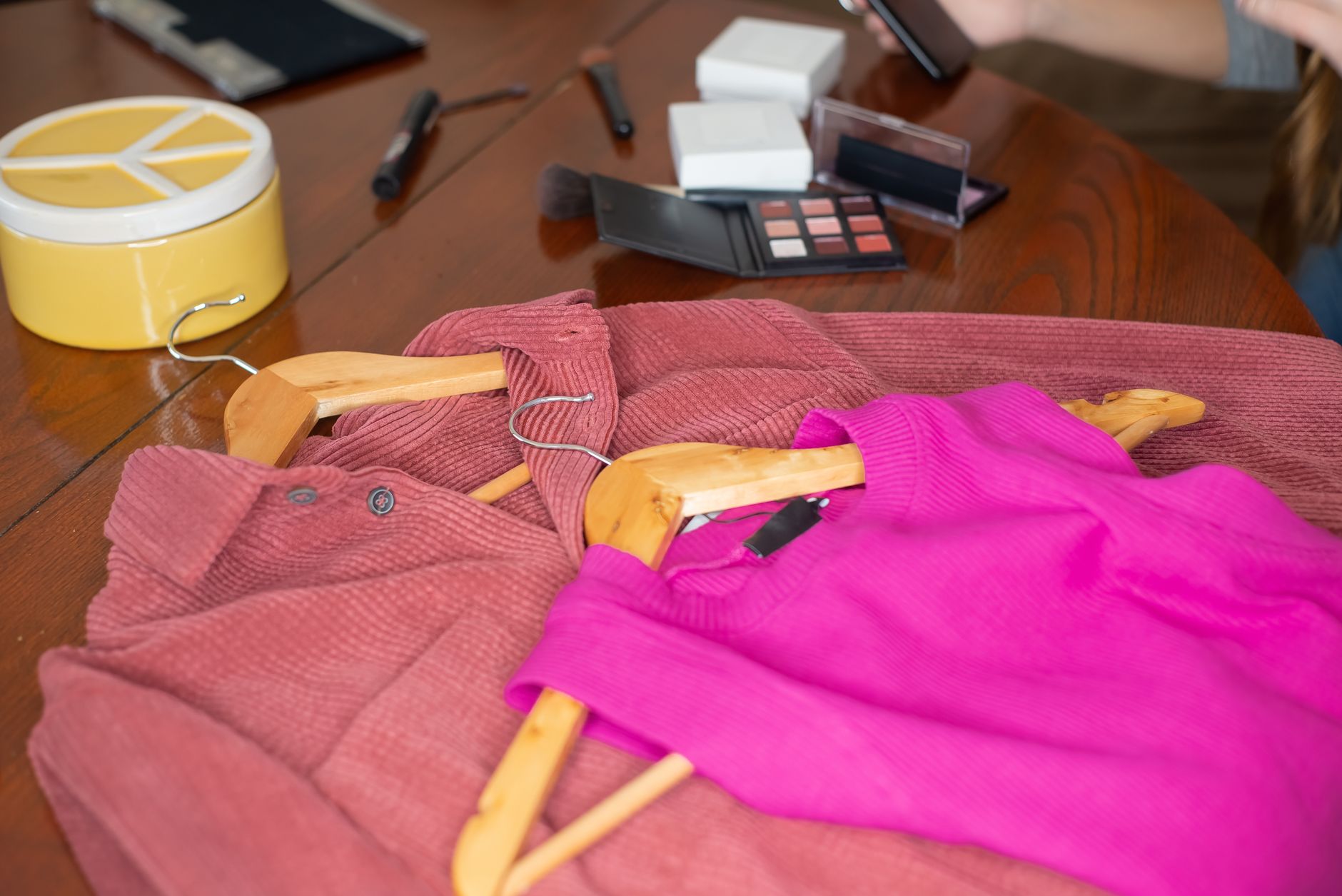
Choosing the right branded clothing items for your organisation can feel overwhelming — especially when you’re balancing budget constraints, tight deadlines, decoration options, and the need to actually impress the people wearing them. Whether you’re a Sydney-based corporate team gearing up for a trade show, a Brisbane primary school ordering gear for sports day, or a Melbourne charity preparing for a fundraising walk, the fundamentals of sourcing quality custom apparel remain the same. This guide breaks everything down so you can make confident, well-informed decisions from the very first step.
Why Branded Clothing Items Matter More Than Ever
Branded clothing is one of the most powerful — and most underestimated — tools in any organisation’s promotional toolkit. Unlike a flyer that ends up in the recycling bin or a digital ad that disappears after a few seconds, a well-made custom t-shirt or embroidered polo can be worn dozens or even hundreds of times. Each wear is an impression, and those impressions add up.
Research consistently supports what most marketers already know intuitively: physical, wearable products create lasting brand associations. The tactile nature of promotional merchandise has measurable effects on brand recall, and clothing sits at the top of that hierarchy simply because it’s visible, personal, and functional.
For Australian organisations in particular, the seasonal and cultural landscape makes branded apparel especially useful. From summer events on the Gold Coast to winter fundraisers in Hobart, there’s rarely a time of year when well-chosen custom clothing isn’t relevant and appreciated.
The Most Popular Branded Clothing Items — and When to Use Each
Not all garments are created equal, and the right choice depends heavily on your audience, occasion, and budget. Here’s a practical breakdown of the most commonly ordered items and what they’re best suited for.
Custom T-Shirts
The evergreen staple of branded apparel. T-shirts are affordable, universally sized, and easy to decorate using screen printing, heat transfer, or digital printing. They’re ideal for:
- School events, sports carnivals, and excursions
- Charity fun runs and community events
- Festival merchandise and staff uniforms
- Conference and trade show giveaways
A standard event-grade t-shirt in a 180gsm cotton blend can be sourced from around $8–$15 per unit at quantities of 50+, though premium retail-quality options will naturally cost more. If you’re exploring local print shops for your next order, it’s worth asking about the specific fabric weights and fit options available — they vary significantly between suppliers.
Polo Shirts
Polos occupy the sweet spot between casual and professional. They’re the go-to for corporate teams, trade staff, real estate agencies, and school staff. Embroidery is the most popular decoration method for polos — it conveys quality and durability, and holds up well through commercial laundering. Expect MOQs of around 12–24 pieces for embroidery runs, though many suppliers offer lower quantities at a slightly higher per-unit cost.
Hoodies and Jumpers
For cooler climates or winter events, branded hoodies and pullover jumpers are extremely popular — particularly among school groups, sporting clubs, and universities. A Perth school ordering year 12 graduation hoodies, for example, would typically look at a 280–350gsm fleece option with either screen-printed or embroidered chest logos. Turnaround for embroidered hoodies is usually 10–15 business days, so plan accordingly.
Hi-Vis Workwear and Safety Vests
Any organisation operating on a construction site, warehouse floor, or in field services needs to think carefully about their branded workwear. Hi-vis shirts, vests, and jackets need to meet Australian safety standards (AS/NZS 4602 for high visibility clothing), and the decoration method must not compromise the garment’s reflective properties. Pad printing and embroidery are both used here — screen printing on hi-vis requires specific ink types to maintain compliance.
Caps and Headwear
Custom caps are one of the most cost-effective branded clothing items available. A structured six-panel cap with embroidered logo sits around $10–$18 per unit at 50+ pieces. They’re popular across almost every sector — from corporate golf days to school tuck shop teams.
Choosing the Right Decoration Method
The decoration method you choose has a significant impact on the final look, feel, durability, and cost of your branded clothing items. Here’s a quick reference:
- Screen printing — Best for bold, flat designs on t-shirts and casual garments. Cost-effective at larger volumes. Setup fees apply per colour.
- Embroidery — Ideal for logos on polos, caps, and jackets. Durable and professional. Better suited for simpler designs with limited fine detail.
- Sublimation — Excellent for all-over, full-colour designs. Only works on polyester or poly-blend garments. Popular for sports uniforms.
- Heat transfer (DTF or vinyl) — Flexible for short runs and complex designs. Good for individual personalisation (e.g., names and numbers on sports jerseys).
- Direct-to-garment (DTG) printing — Great for photo-realistic prints on cotton garments. No minimum orders, though per-unit costs are higher.
Each method has trade-offs, and the right choice depends on your design complexity, fabric type, and order volume. If you’re working with a specific brand colour, ask your supplier about PMS matching — colour accuracy varies considerably between methods.
Key Considerations for Schools and Educational Institutions
Schools across Australia are among the heaviest users of branded clothing, and for good reason. Custom uniforms, event shirts, and sports uniforms build a sense of community and make logistics considerably easier on the day.
A few things to keep in mind when ordering clothing items for schools:
- Sizing runs wide — Order a range that covers children from Year 3 through to adults (for staff). Always request a size breakdown chart before placing your final order.
- Durability matters — School garments take a beating. Prioritise double-stitched seams, quality fabric blends, and fade-resistant inks.
- Budget approval cycles — Many Australian schools need to work within P&C committee budgets. Get quotes early and request written proofs before committing.
- Name and number personalisation — For sports carnivals or inter-school events, individual customisation via heat transfer is a popular add-on.
Alongside apparel, schools often pair clothing orders with items like personalised lanyards for staff and students to create a cohesive branded package.
Corporate Clothing Items: Balancing Brand Identity and Wearability
For businesses, branded clothing serves a dual purpose — it communicates professionalism to clients while building team cohesion internally. The key to a successful corporate apparel program is choosing garments people actually want to wear.
This means thinking beyond the generic corporate polo. In 2026, Australian organisations are increasingly choosing garments made from organic or sustainably sourced cotton, reflecting broader corporate sustainability commitments. Staff are far more likely to wear a premium cotton tee or merino blend jumper outside of work hours, extending your brand’s reach into everyday life.
When selecting corporate clothing items:
- Choose a palette that works with your brand colours but also flatters a range of skin tones
- Consider cut and fit — “one-size-fits-most” rarely does
- Factor in storage and distribution logistics, especially for large organisations with multiple offices across cities like Sydney, Melbourne, and Brisbane
- Work with a supplier who understands the difference between a promotional-grade garment and a retail-quality one
Speaking of suppliers — knowing what to look for when choosing a promotional product supplier can save you significant time, money, and frustration, especially if this is your first large apparel order.
Budgeting and MOQs: What to Expect
One of the most common questions organisations ask is: “What’s the minimum I can order?” The honest answer is that it depends on the decoration method and the supplier’s setup. Here are typical benchmarks:
- Screen printing: MOQ usually 24–50 pieces
- Embroidery: MOQ usually 12–24 pieces
- DTG/digital printing: Often no MOQ, but higher per-unit cost
- Sublimation: MOQ usually 12–20 pieces (full sets)
Budget-wise, most mid-tier branded clothing orders fall into the following ranges per unit (excluding GST):
- Basic event t-shirts: $8–$16
- Polo shirts (embroidered): $22–$45
- Hoodies: $28–$55
- Hi-vis workwear: $30–$60+
- Caps (embroidered): $10–$20
Always factor in setup fees (typically $50–$150 per design/colour), freight costs, and time for artwork approval and pre-production samples. The total landed cost can be 15–25% higher than the per-unit price shown in a quote.
For event-specific orders — say, a Canberra government department sourcing uniforms for a community expo — it’s worth combining clothing with complementary items like branded USB drives or promotional keyrings to maximise your per-order freight efficiency.
Managing the Ordering Process Like a Pro
Even experienced buyers can run into trouble with apparel orders if they don’t manage the process carefully. Here’s a quick checklist:
- Confirm artwork is print-ready — Vector files (AI, EPS, or high-res PDF) are ideal. Avoid supplying low-resolution JPEGs.
- Request a pre-production sample or digital proof — Never approve an order blind, especially for large or high-value runs.
- Get a size breakdown in writing — Once cut and production begins, changes are rarely possible.
- Build in buffer time — Standard turnaround is 10–15 business days after proof approval. Rush fees apply for faster delivery.
- Plan your distribution — For organisations with multiple locations, ask about split shipping options.
If you’re procuring clothing items as part of a broader merchandise package — say, for a conference or product launch — you might also be exploring items like custom-branded Thule backpacks or even recycled ocean plastic promotional products to round out an eco-conscious merchandise suite.
Conclusion: Making the Most of Your Branded Clothing Items
Custom clothing remains one of the most versatile and impactful categories in the entire promotional products landscape. Done well, branded clothing items deliver consistent brand visibility, foster team unity, and leave a lasting impression on recipients — whether that’s a staff member wearing their company hoodie on a Saturday morning or a school kid proudly sporting their sports day tee.
Here are the key takeaways to carry into your next apparel project:
- Match the garment to the occasion — t-shirts for events, polos for corporate, hi-vis for trade environments
- Choose your decoration method based on design complexity, fabric type, and order volume
- Budget for the full landed cost, not just the per-unit price — include setup fees, freight, and sampling
- Plan well in advance — quality branded clothing takes 10–15 business days minimum after proof approval
- Prioritise wearability — the best branded garment is one people actually choose to wear again and again
- Consider sustainability — eco-conscious fabric choices reflect positively on your brand and increase retention rates
Whether you’re a small Adelaide café outfitting your team for the first time or a national corporation rolling out a uniform refresh across every state and territory, the principles are the same: know your audience, brief your supplier thoroughly, and never underestimate the power of a well-made branded garment.